You know, in today's world where innovation really is the name of the game, we're about to see some big changes in the Power Engines landscape by 2025. Companies are on a quest for better efficiency and sustainability, and that's where companies like TECHIE Inc. come into play, especially with their advanced ignition systems.  TECHIE is pretty much a go-to name when it comes to ignition systems for stationary gas engines. They’ve got a solid grasp on the market, covering over 95% of various engine types like GE Jenbacher, MWM, and CAT. But it’s not just about the quality of their ignition systems; they’re all about providing a smooth, one-stop shop for all gas engine spare parts, too. As we look ahead to the future of Power Engines, it's super important to chat about the forces driving this shift and how companies like TECHIE Inc. are really setting the stage for success in this fast-changing market.
The Evolution of Power Engines: Trends Shaping the Future
Hey there! You know, power engines are really going through a huge transformation right now—like, it’s a game-changer, all thanks to a mix of innovation and our urgent need to be more sustainable. As we eye 2025, some big trends are popping up, like electrification and smart tech integration, which are totally shaking up the market. It’s pretty exciting how these engines are not only becoming more efficient but also much better for the environment. Everyone’s feeling the pressure to slash emissions and boost performance, and companies are tossing some serious cash into R&D to make engines that don’t just meet the rules but actually redefine what we thought was possible in terms of power and efficiency.
And here’s a quick tip: If businesses want to stay ahead in this fast-changing landscape, they should totally look into teaming up with tech firms that specialize in AI and IoT. These partnerships could really help manufacturers supercharge engine performance, keep a close eye on engine health with real-time monitoring, and roll out predictive maintenance plans that make everything way more reliable and cut down on downtime.
Oh, and let’s not forget about another cool trend: the growing interest in alternative fuel sources. Hydrogen and biofuels are becoming the new go-to options for powering engines across different industries, especially in transportation. This shift brings cleaner alternatives to the table, and it also opens up fresh possibilities for innovation and investment, which is pretty amazing if you think about it!
So, here’s another tip for companies: they should definitely consider linking up with renewable energy providers to mix up their fuel strategies. This not only aligns with bigger sustainability goals but also puts businesses in a sweet spot to take advantage of the rising demand for green solutions out there in the market.
Key Innovations Driving Best Power Engines Forward
You know, the future of the power engine market is really shaping up to be pretty exciting. There are some major innovations on the horizon that are changing the game when it comes to industry standards and what consumers are looking for. A recent report from MarketsandMarkets estimates that this global power engines market is set to jump from about $1.1 billion in 2023 to over $1.6 billion by 2025! That’s a solid compound annual growth rate (CAGR) of roughly 12%. It’s incredible to see how much this surge is powered by advancements in efficiency, sustainability, and the integration of cutting-edge technology.
One of the coolest developments has been the emergence of hybrid and electric power engines. A study from the International Energy Agency even predicts that by 2025, electric engines could account for nearly 20% of all power engines sold worldwide. Thanks to improved battery technologies and regenerative braking systems, electric options are becoming super viable. They not only tackle those pesky environmental concerns but also deliver some impressive performance numbers. Plus, the use of artificial intelligence in managing engine systems is really optimizing fuel consumption and slashing emissions, raising the bar for what we can expect in the industry.
As we look forward to 2025, it seems that manufacturers who are all in on these innovations are going to grab a big chunk of that changing market. It’s vital for stakeholders to funnel investments into research and development, with estimates suggesting that over $500 million will go toward cleaner technologies in the power engine space in the next couple of years. Pretty wild, right?
Crafting Success: How Best Power Engines Will Transform the Market Landscape by 2025
| Key Innovations | Expected Impact | Market Segment | Projected Growth (%) | Adoption Rate by 2025 (%) |
| Hybrid Engine Technology | Increased fuel efficiency | Transportation | 20% | 60% |
| Electric Powertrains | Reduction in carbon emissions | Automotive | 35% | 75% |
| Advanced Cooling Systems | Enhanced performance and reliability | Machinery | 15% | 50% |
| Smart Engine Management Systems | Optimized fuel consumption | Aerospace | 25% | 65% |
| Biodegradable Fuel Solutions | Sustainability and eco-friendliness | Energy | 40% | 70% |
Market Demand: The Rise of Eco-Friendly Power Solutions
The demand for eco-friendly power solutions is surging as consumers become increasingly conscious of the environmental impact of their choices. As we move towards 2025, the market landscape is shifting, with eco-friendly power engines leading the charge. Innovative technologies are being developed to harness renewable energy sources, significantly reducing carbon footprints. The transition from traditional fossil fuels to cleaner alternatives is not merely a trend; it's a necessity driven by legislative changes and public demand for sustainable practices.
Moreover, businesses are recognizing that adopting eco-friendly power solutions can offer a competitive edge. By investing in green technologies, companies not only comply with regulations but also appeal to a growing demographic of eco-conscious consumers. This shift is catalyzing advancements in efficiency and performance in power engines, redefining industry standards. As we look ahead, the synergy between market demand and technological innovation will shape a sustainable future that prioritizes both economic growth and environmental responsibility.
Market Demand for Eco-Friendly Power Solutions by 2025
This chart illustrates the projected market demand for eco-friendly power solutions from 2023 to 2025. The increasing awareness of environmental issues is driving the demand for sustainable options.
Competitive Landscape: Major Players and Their Strategies
The power engine market is really buzzing right now, with all the big players scrambling to keep up and maybe even get ahead. Companies like General Electric, Siemens, and Rolls-Royce are pouring loads of cash into research and development. They’re working on creating engines that are not only more efficient but also kinder to the planet, because let’s be honest, everyone’s talking about sustainability these days. By diving into next-gen tech like hybrid and electric systems, these industry giants are really trying to position themselves as front-runners in the whole green energy shift.
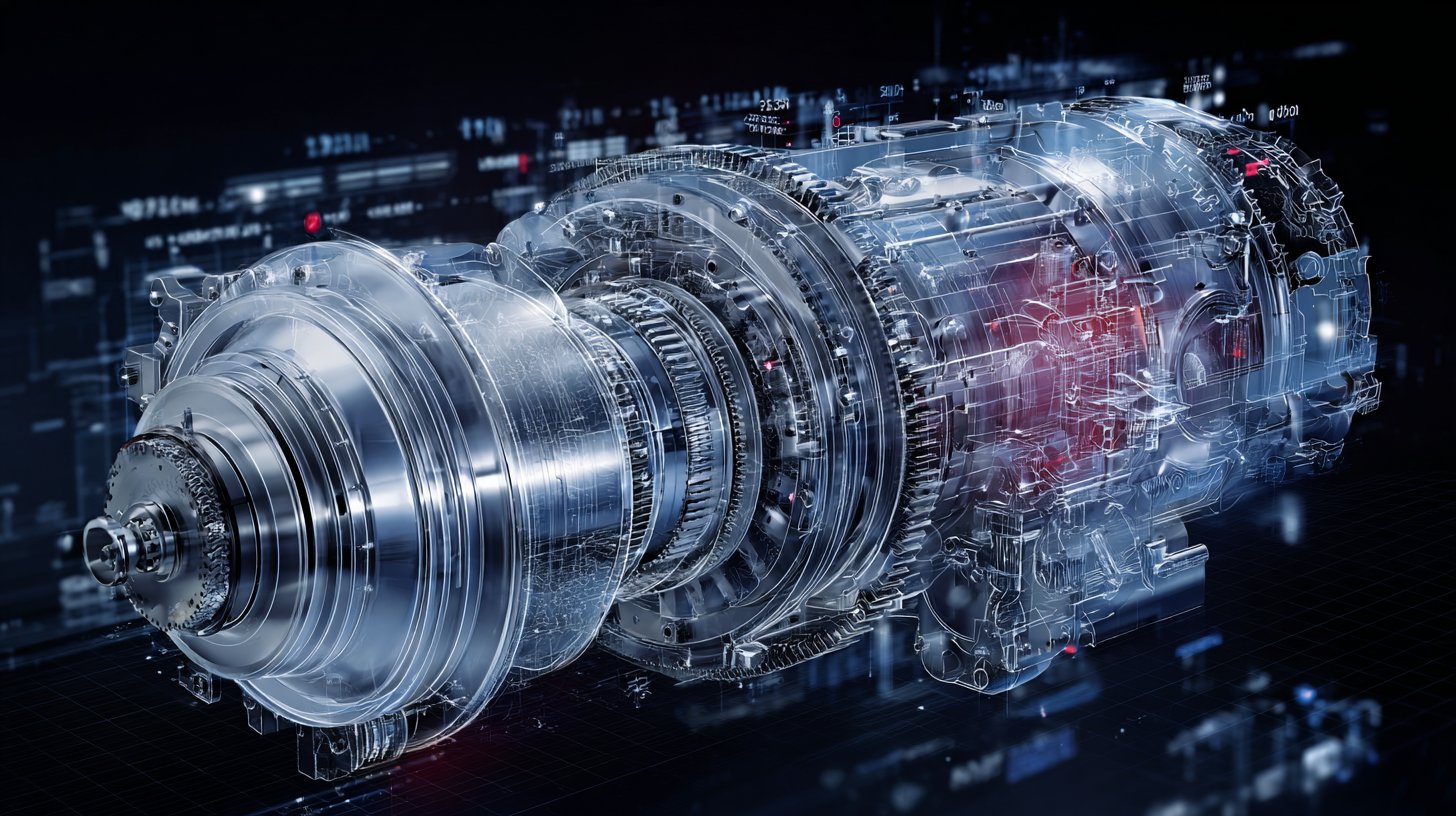
But it’s not just about the tech, though—there's a lot more going on. More and more, you see these companies teaming up with startups and tech whizzes to tap into the latest breakthroughs in artificial intelligence, data analytics, and Internet of Things integration. It’s a smart move; it not only helps them improve their products but also makes the customer experience way better by creating smarter, interconnected power solutions. As the market keeps evolving, these kinds of strategies are key for anyone looking to stay ahead in such a competitive game.
Consumer Perspectives: What Users Expect from Future Engines
Looking ahead to 2025 and the future of power engines, it's super important to grasp what consumers really want in this changing landscape. With everyone jumping on the electric vehicle (EV) bandwagon, research suggests that by 2030, as much as 60% of luxury cars could end up being electric. That just goes to show how much folks are craving sustainable tech these days. Nowadays, car buyers aren't just after speed and luxury; they're really focusing on eco-friendliness and those cool, innovative features that fit into a greener lifestyle.
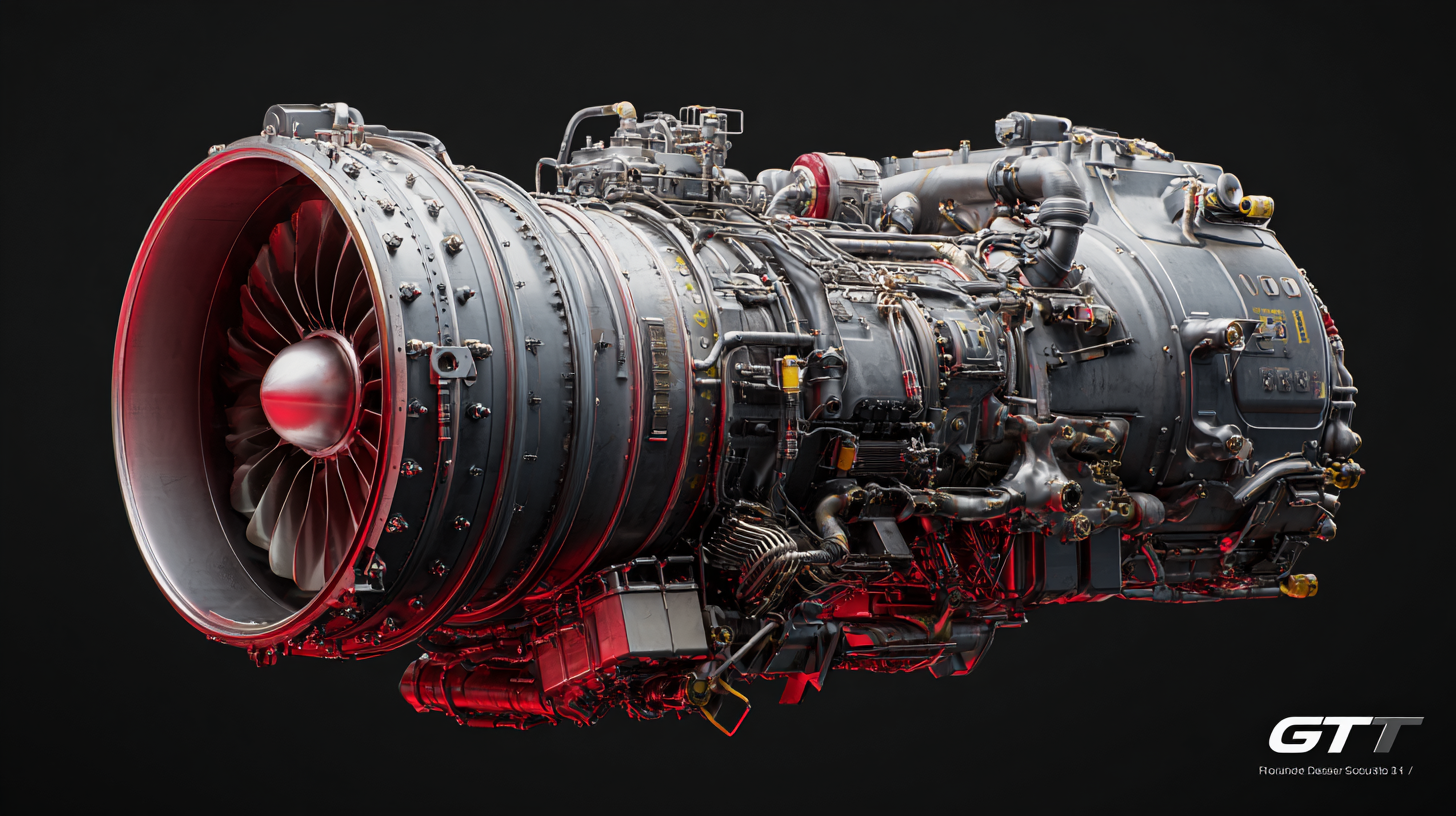
Plus, the leaps we're making in big data analytics are really changing how car makers grasp what consumers are all about. By tapping into these insights, companies can totally customize their offerings to match what today's buyers want. Personalization is going to be key here; people expect their experiences to be uniquely tailored, whether it's about choosing engine options or the latest in-car gadgets. So, as we inch closer to 2025, the mix of luxury and sustainability in power engines is set to shake up the market and keep up with the needs of a more conscious crowd.
Impact of AI and Automation on Power Engine Efficiency
As we look ahead to 2025, the world of power engines is really gearing up for some big changes—thanks to AI and automation. These cool technologies are not just making power engines more efficient; they’re also fine-tuning how they operate. With AI algorithms on the case for predictive maintenance, manufacturers can cut down on downtime and boost performance. This means businesses can ramp up productivity while keeping costs in check. Pretty neat, right?
Quick Tip: By throwing smart sensors and IoT devices into the mix, power engines can start sending out real-time data. This lets companies track performance metrics and spot areas that could use a little TLC. Taking this proactive step helps avoid serious breakdowns and keeps everything running
smoothly.
Plus, with more automation, production processes are getting a lot smoother. We’re talking about faster
turnaround times and a higher consistency in output quality. By bringing these automated systems on board, companies can pivot faster to meet market demands and tailor their production to what consumers are really looking for.
Another Tip: If businesses jump on board with AI-driven analytics, they can get a leg up on forecasting trends and adjusting their strategies as needed.
Big data isn’t just a buzzword—it’s a treasure trove of insights that can spark
innovation and sharpen their edge in this fast-paced market landscape.
FAQS
: The demand for eco-friendly power solutions is surging due to increased consumer awareness of environmental impacts, legislative changes, and a public push for sustainable practices.
Businesses are investing in green technologies to comply with regulations and appeal to eco-conscious consumers, which offers them a competitive edge in the market.
Advancements in innovative technologies will help harness renewable energy sources and significantly reduce carbon footprints, improving efficiency and performance in power engines.
Consumers are increasingly prioritizing eco-friendliness and innovative features, along with performance and luxury, in their expectations for future power engines.
Big data analytics helps manufacturers understand consumer behavior better, allowing them to tailor their offerings to meet modern consumers' demands and preferences.
Research indicates that by 2030, up to 60% of luxury vehicles may be electric, highlighting the growing consumer demand for sustainable technology in the automotive industry.
Personalization will be crucial as consumers expect uniquely crafted experiences in their vehicle selections, from engine options to in-car technologies.
The blending of luxury and sustainability in power engines will redefine market dynamics, catering to a more conscientious consumer base.
The synergy between rising market demand for eco-friendly solutions and technological innovations will shape a sustainable future, emphasizing economic growth alongside environmental responsibility.
The transition is driven by both legislative changes and a public demand for sustainable practices, making it essential for future development.